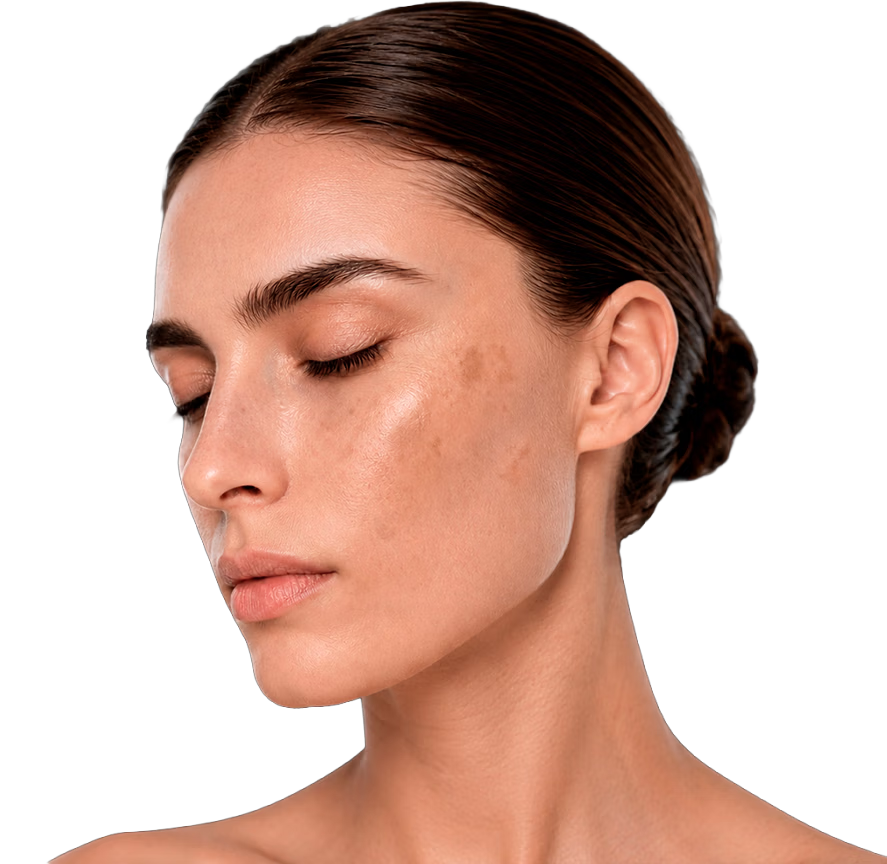
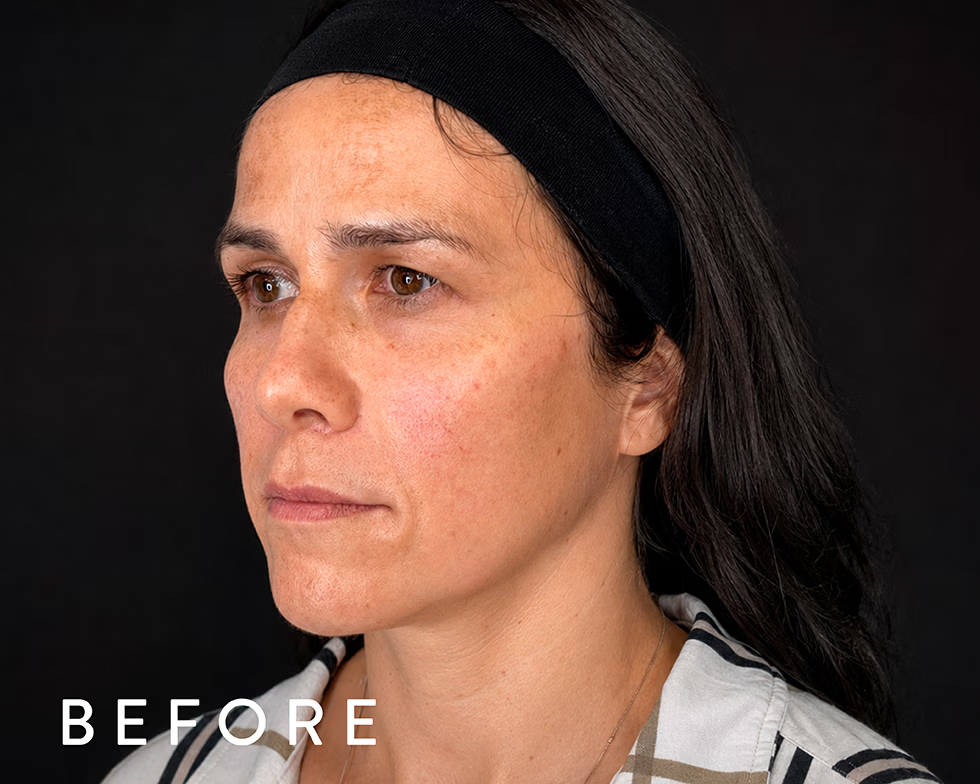
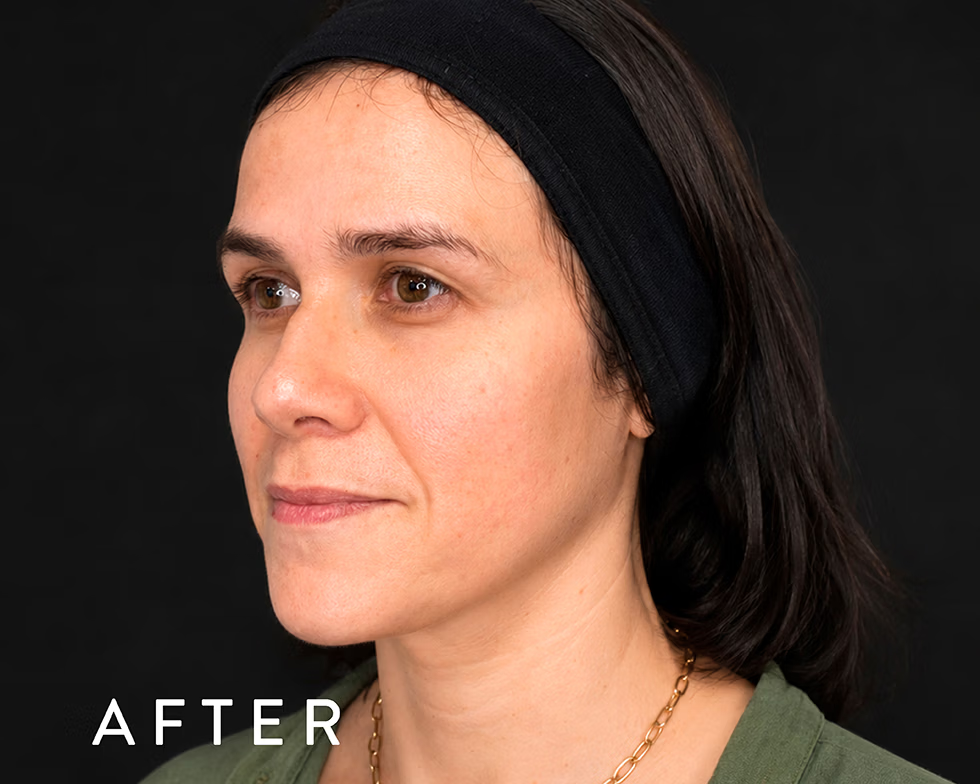
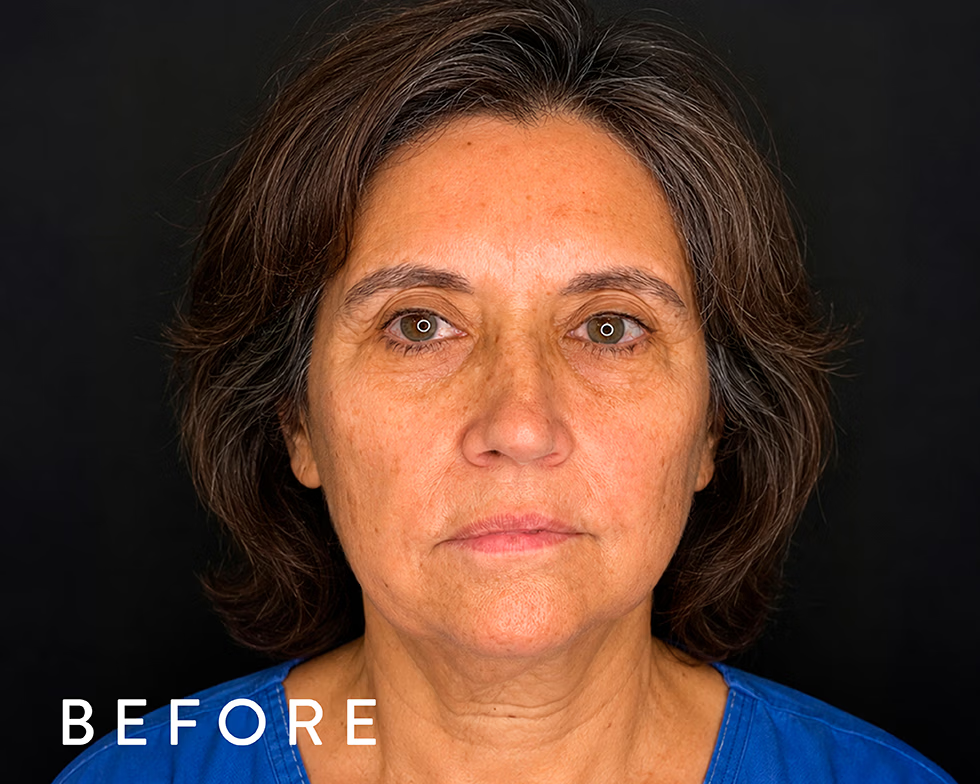
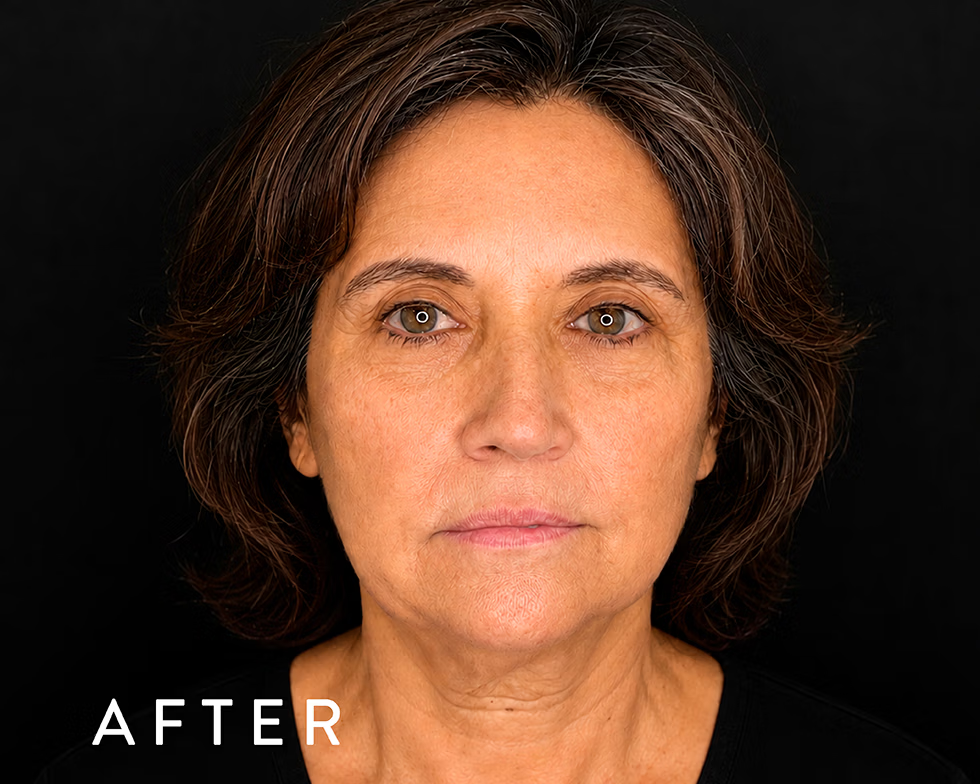
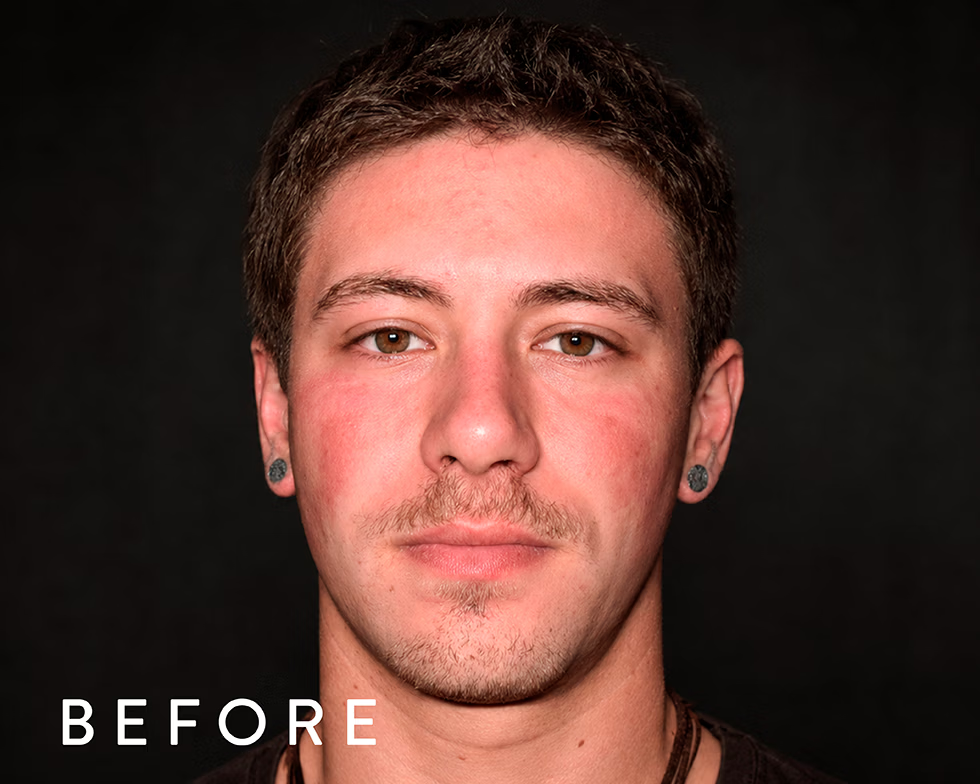
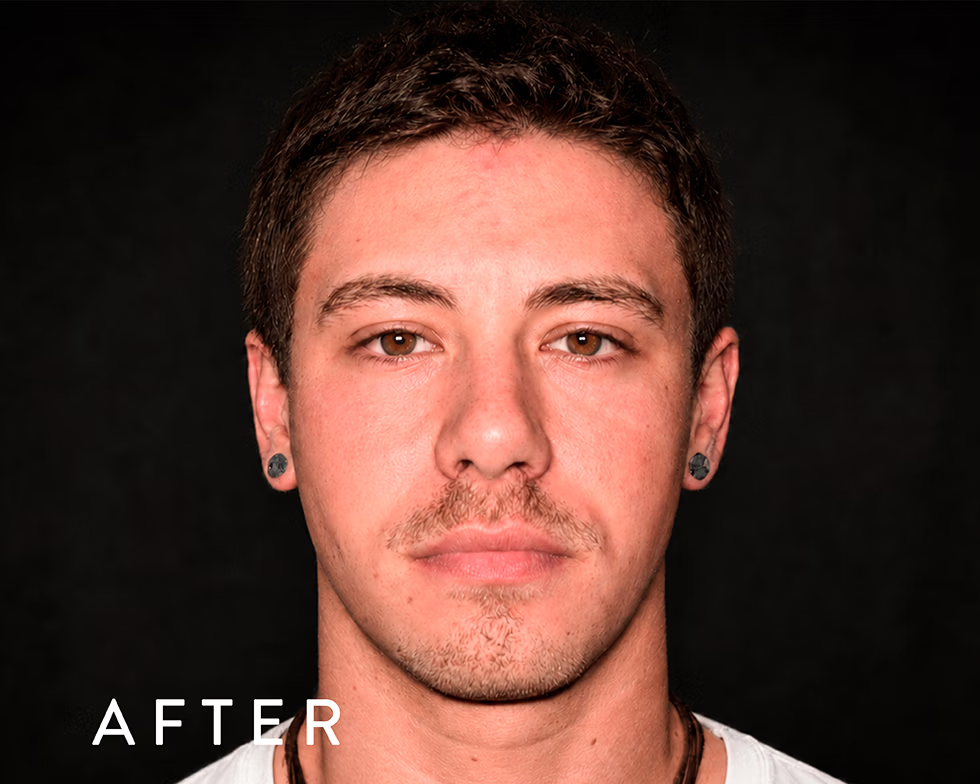
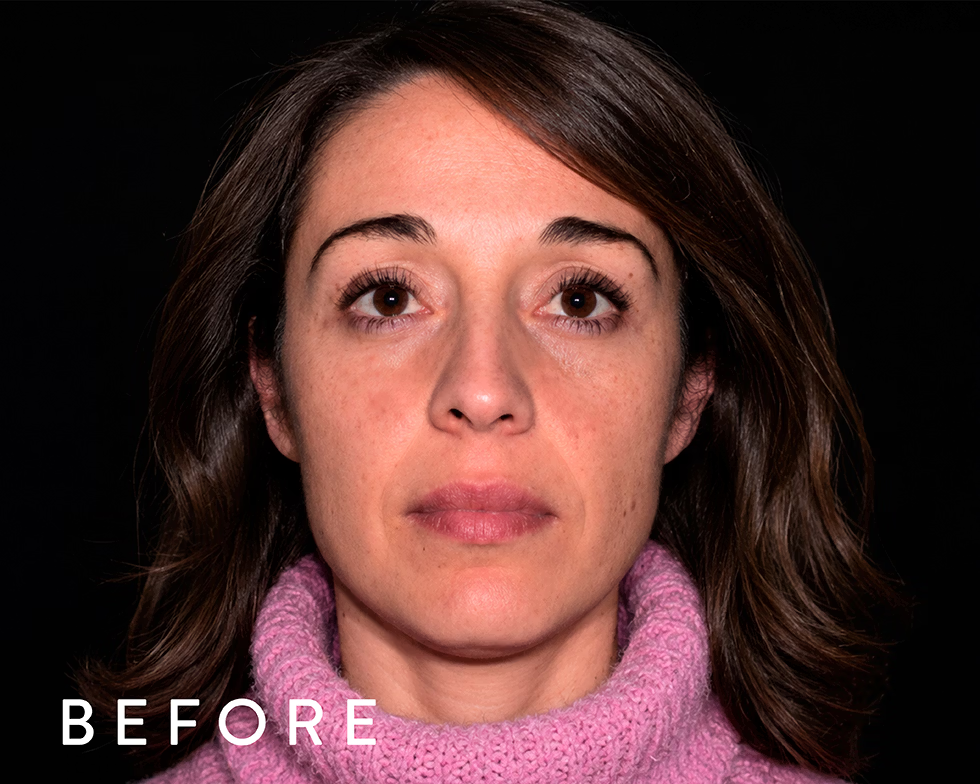
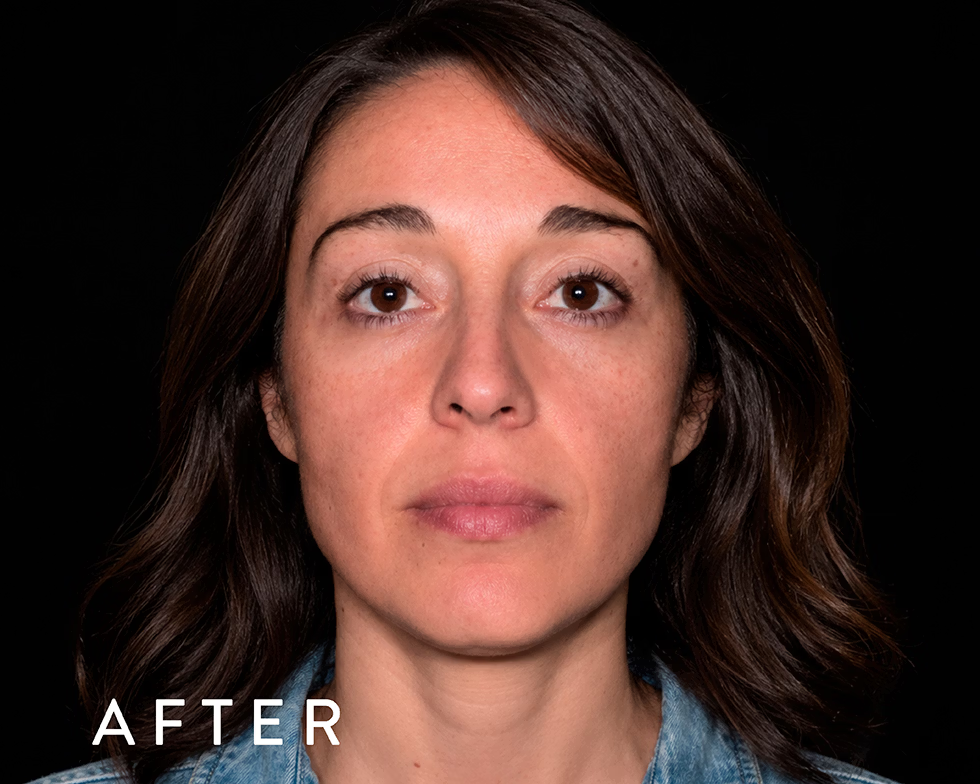
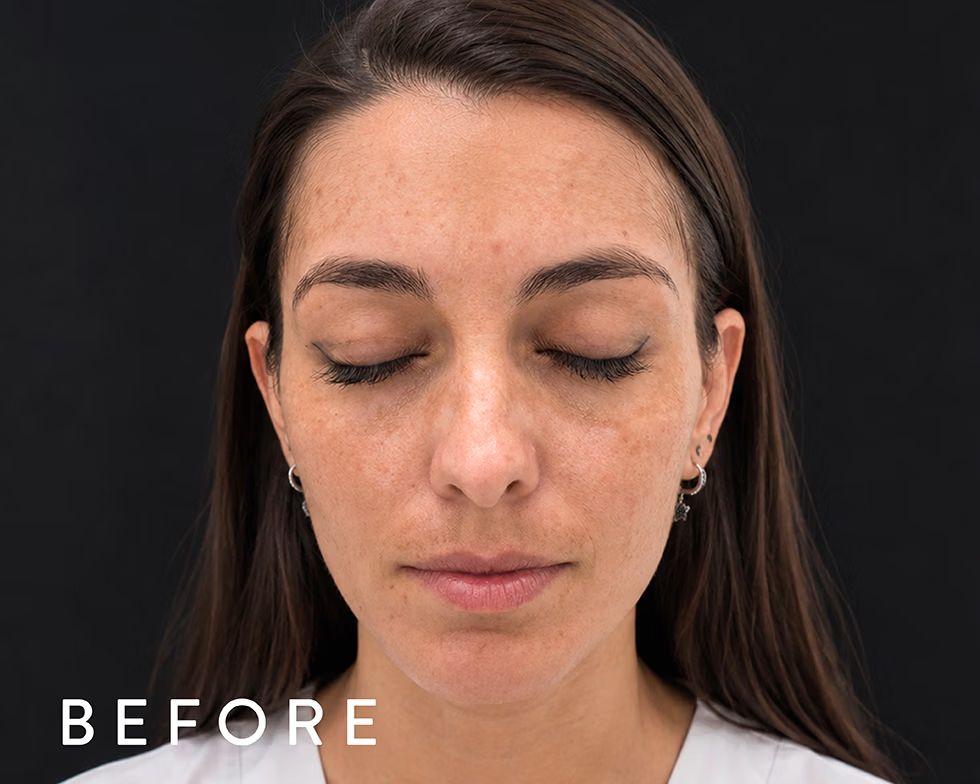
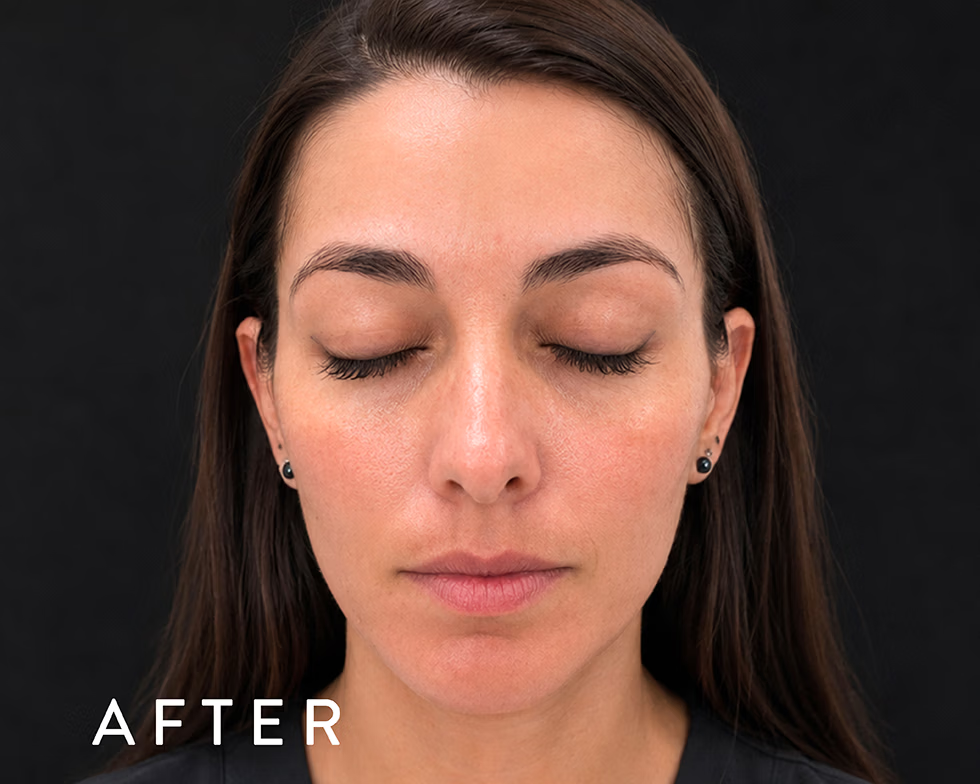
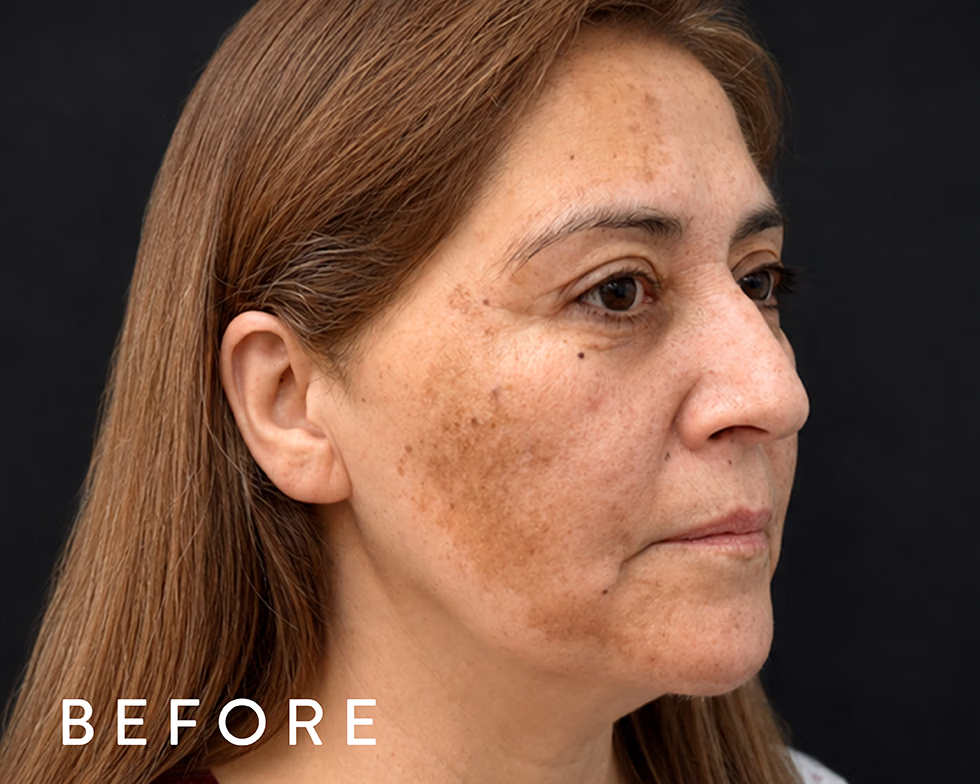
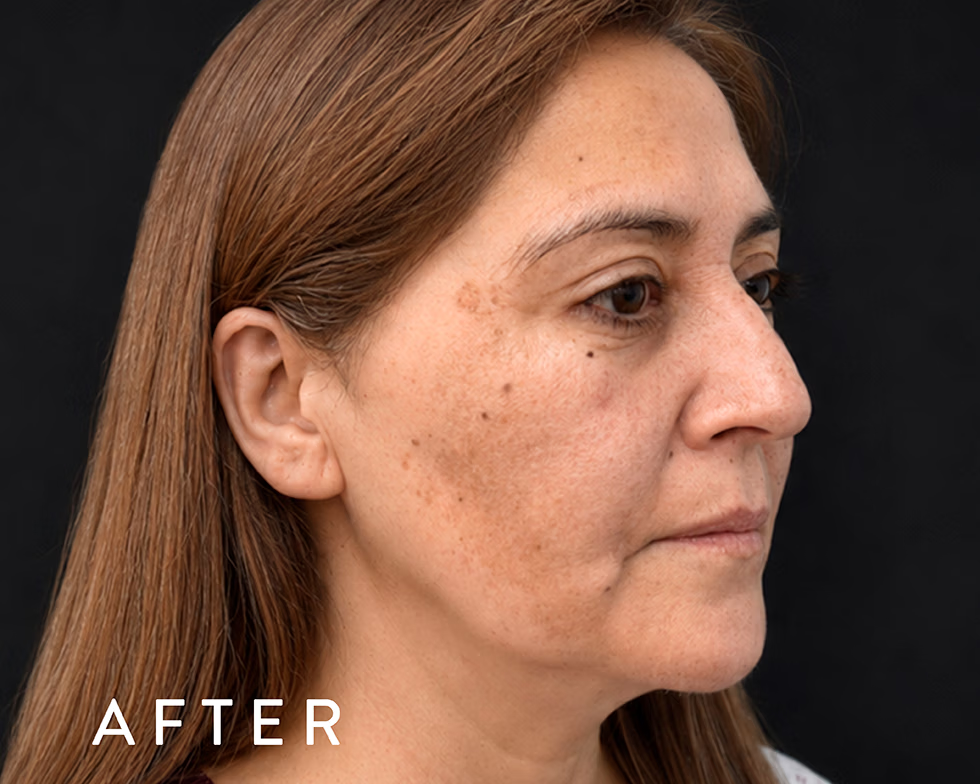
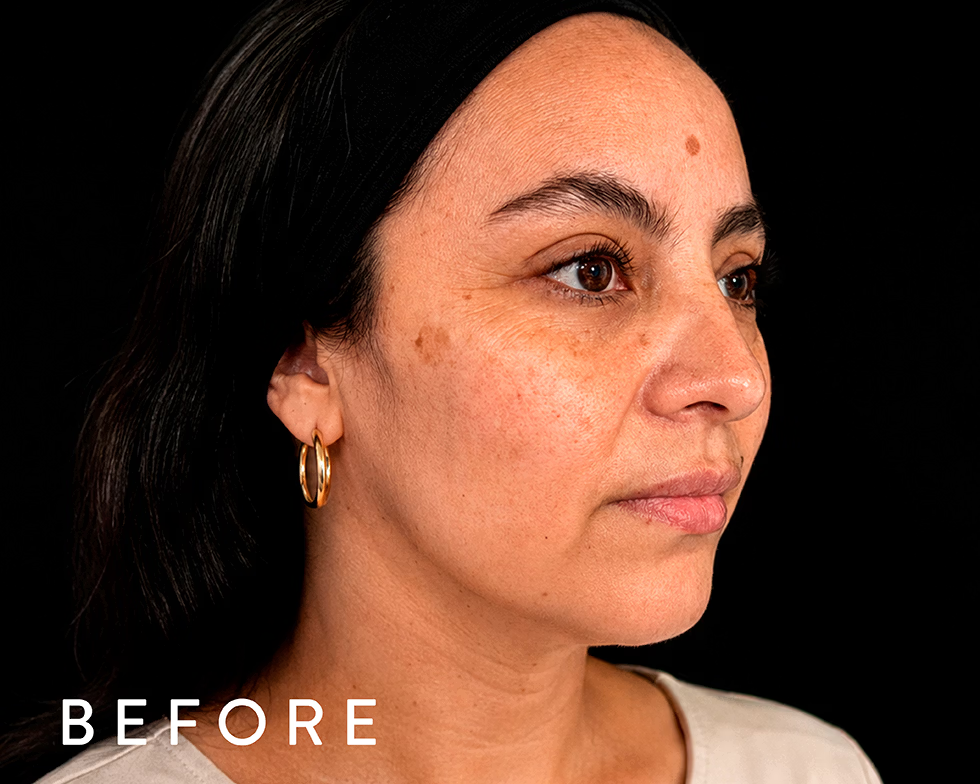
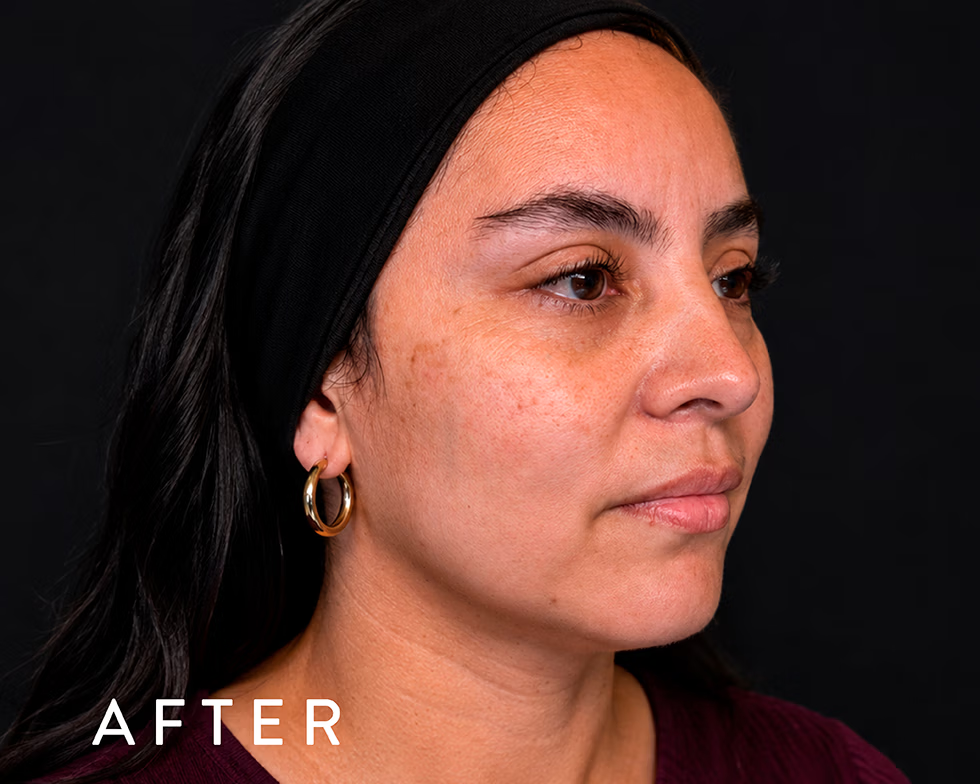
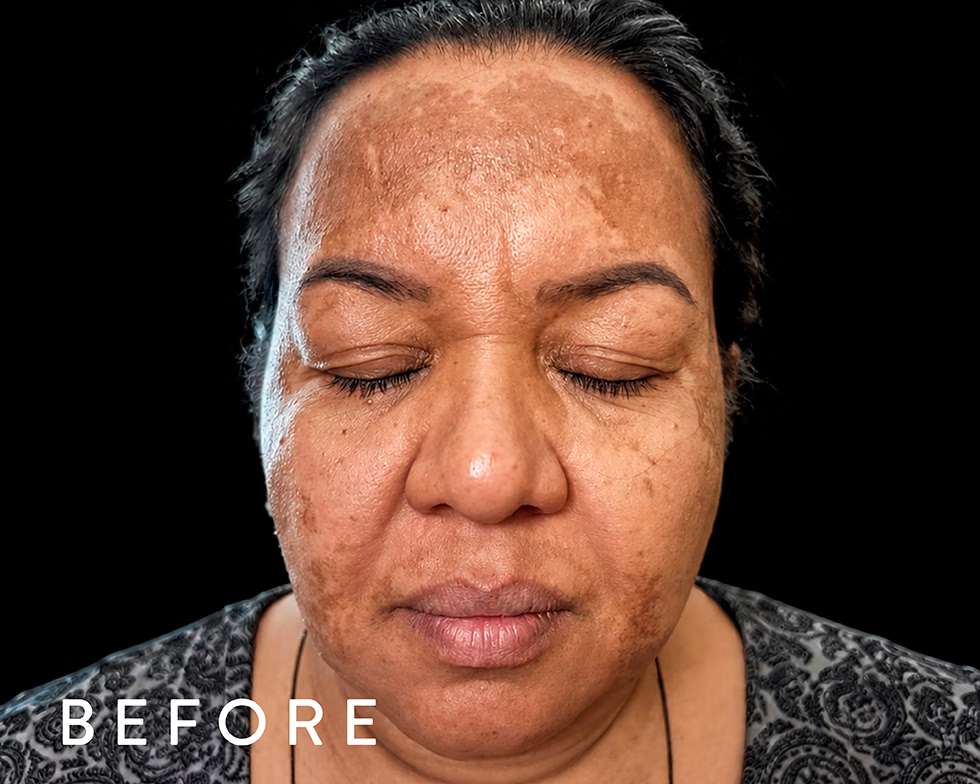
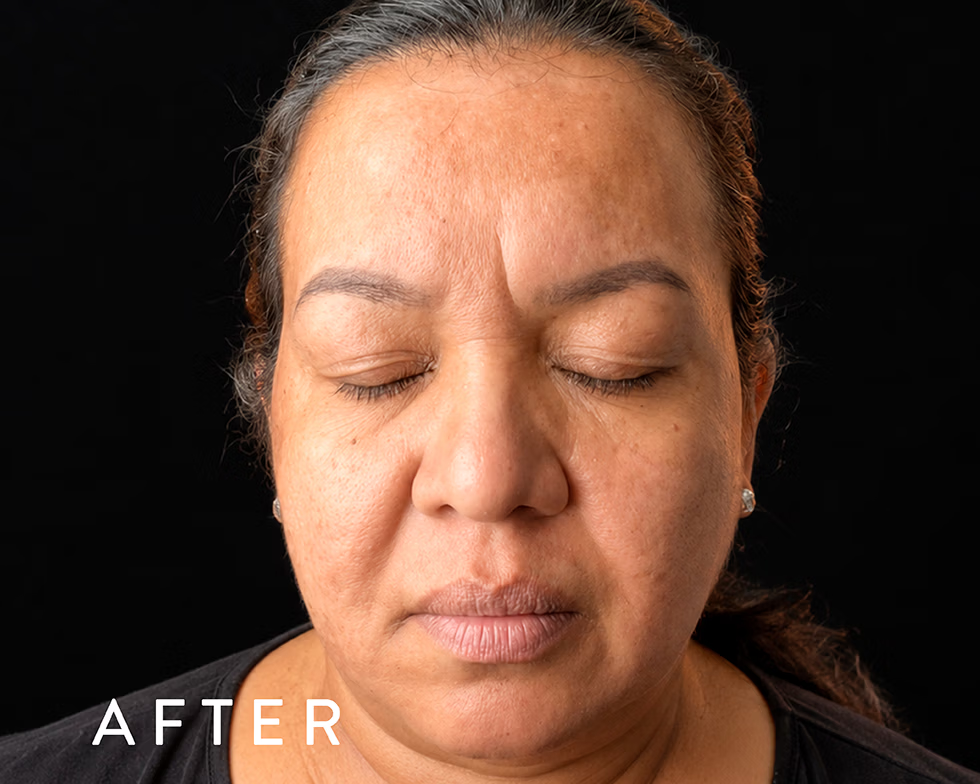
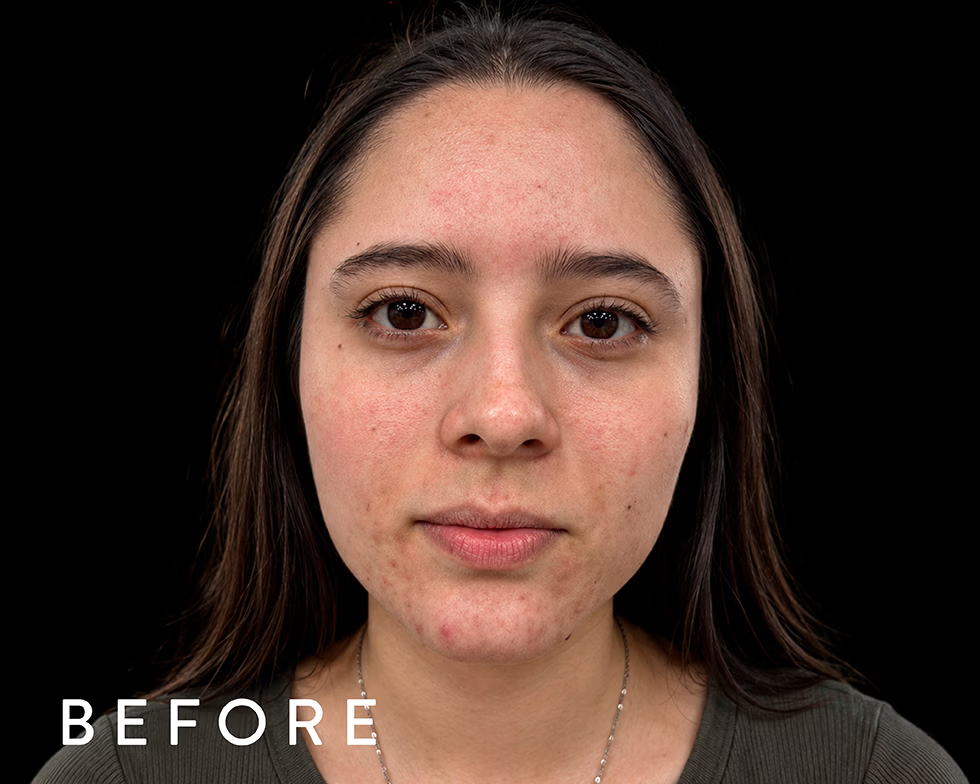
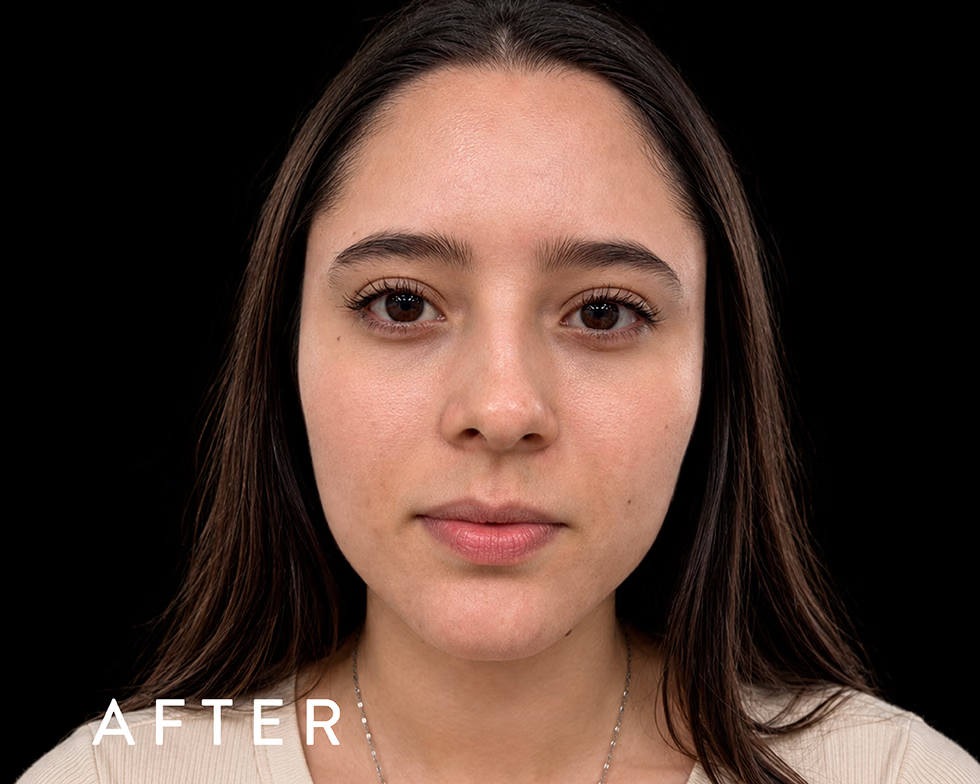
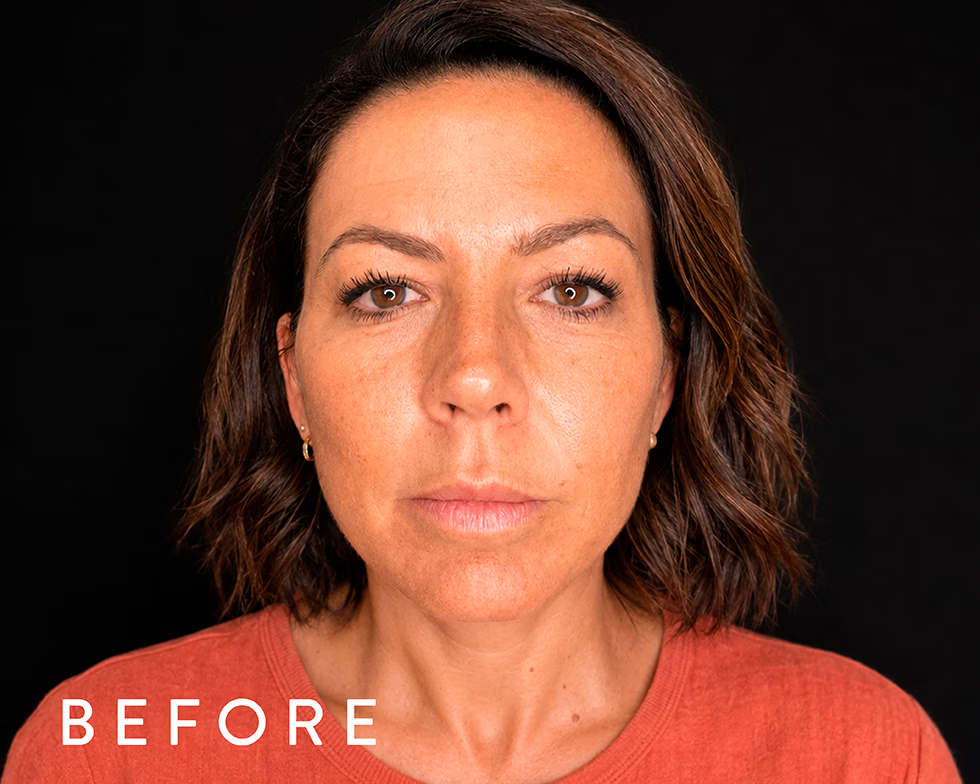
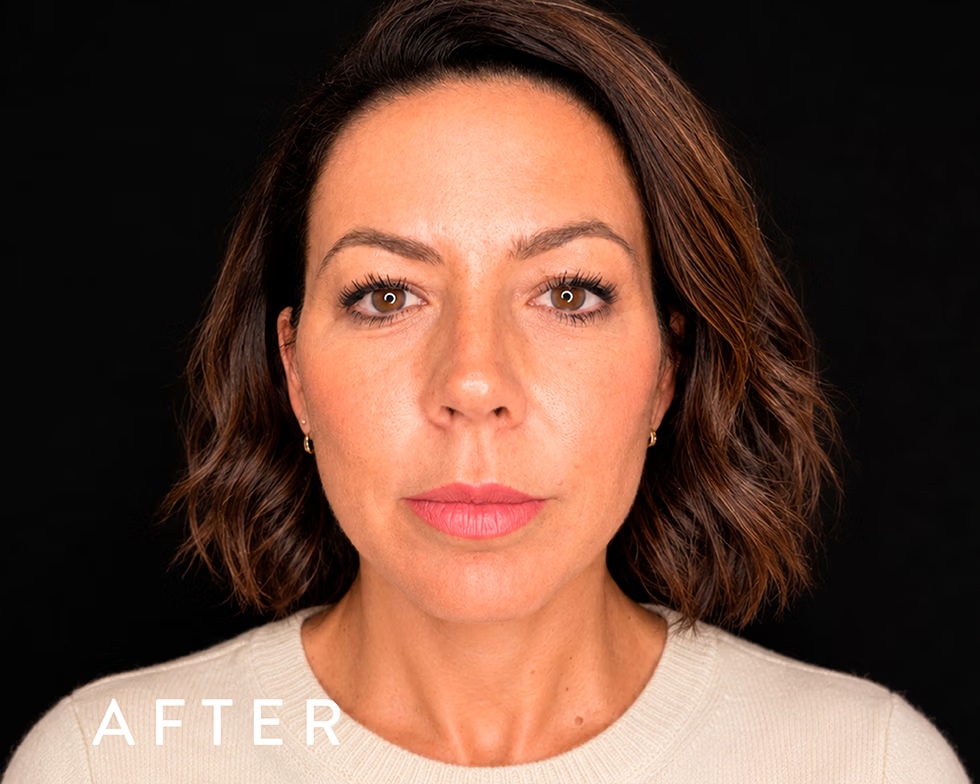
Dark spots aren't just a matter of pigment. Sun
exposure, inflammation, hormonal changes, and the
passage of time can all disrupt skin's uniformity and
make the face look dull or aged.
At Balmori Center, we approach dark spots through
precise diagnosis, understanding that not all of them
share the same origin or require the same treatment.
That's why we combine advanced medical
technology, skin regeneration, and personalized
protocols to improve skin tone, radiance, and overall
quality.
Our goal isn't just to lighten a dark spot.
It's to help skin regain a more even, healthy, and visually balanced appearance over the long term.
THE NEW
GENERATION
IN SKIN
QUALITY
HIGH-INTENSITY PULSED LIGHT
To apply this technique, the skin must be completely
clean beforehand. The specialist physician then
applies a conductive gel for the electromagnetic
waves to the chin area, followed by massaging that
area with the radiofrequency device. This process is
performed without anesthesia and has no
bothersome side effects.
This therapy combines visible light with a
photosensitizer to target pigmented skin cells. It's a
treatment for dark spots recommended for its
versatility in adapting to different skin types and
conditions, helping achieve noticeable improvement
in skin tone uniformity
Its benefits include that same versatility, making it an
ideal option for addressing other conditions such as
acne and redness. It also supports collagen
stimulation and overall skin renewal, and is a painless treatment that requires no recovery time.
As for who makes the best candidate,
photobiodynamic therapy is recommended for
people with dark spots and melasma, as well as for
those seeking noticeable, lasting improvement in
pigmentation correction.
Fractional CO2 laser is an advanced technique that
stimulates collagen production and removes the
skin's superficial layers, including areas affected by
dark spots.
Benefits include lasting improvement in skin texture,
firmness, and pigmentation. It also stimulates
collagen production, supporting skin rejuvenation.
This type of laser also offers precision, making it a
controlled, targeted treatment.
It's recommended for those who want to address
multiple skin concerns, including dark spots, uneven
texture, and signs of aging, as well as for people
seeking a more intensive treatment who are
prepared to include recovery time in their process.
Wavelength (Nd:YAG and Er:YAG) that selectively
fragments excess melanin to precisely and non-invasively treat pigmented lesions and sun spots. The laser energy penetrates the skin's layers and breaks down melanin clusters without damaging the
surrounding tissue.
When discussing medical-grade peels, it's important
to remember that this is a dermatological procedure
using more concentrated, potent solutions than
commercial peels. At Balmori Center, we use expertformulated solutions to properly and effectively treat
dark spots.
This type of treatment removes the skin's outer
layers, making it ideal for treating superficial dark
spots. Its benefits include a high degree of
adaptability to each person's needs, since the
concentrations and types of chemicals can be
personalized. An additional benefit is improvement in
skin radiance, tone, and texture.
Finally, it's a procedure performed in quick sessions.
It's recommended for superficial dark spots, such as
those caused by sun exposure or aging.
A process designed with clinical precision that
integrates assessment, treatment, and follow-up,
focused on achieving personalized, sustainable results over time.
Book Your Assessment Appointment
The first step toward a plan designed for you. Our
team coordinates your visit in a personalized way,
ensuring an agile, discreet experience aligned with
your goals from the very start.
Assessment
A precise medical diagnosis that goes beyond the
visible. We evaluate your case comprehensively to
design a personalized strategy grounded in science,
experience, and long-term vision.
Treatment
We carry out personalized protocols using highly
specialized technology, focused not only on
improving but on building progressive, natural, and
sustainable results.
Follow-Up
We accompany the evolution of your results with
continuous clinical monitoring, adjusting the strategy
when necessary to ensure consistency and maintain
results over time.